Gold Coast venues need documented cleaning of food contact surfaces, floors and coving, exhaust canopies and filters, cool rooms, grease traps, hand-wash stations and waste areas — with exhaust ductwork cleaned by a specialist on a scheduled cycle.
- 1Council inspectors focus on food-contact surfaces, floors, exhaust systems and pest evidence.
- 2Kitchen exhaust canopies and ducting need scheduled specialist cleaning with certificates.
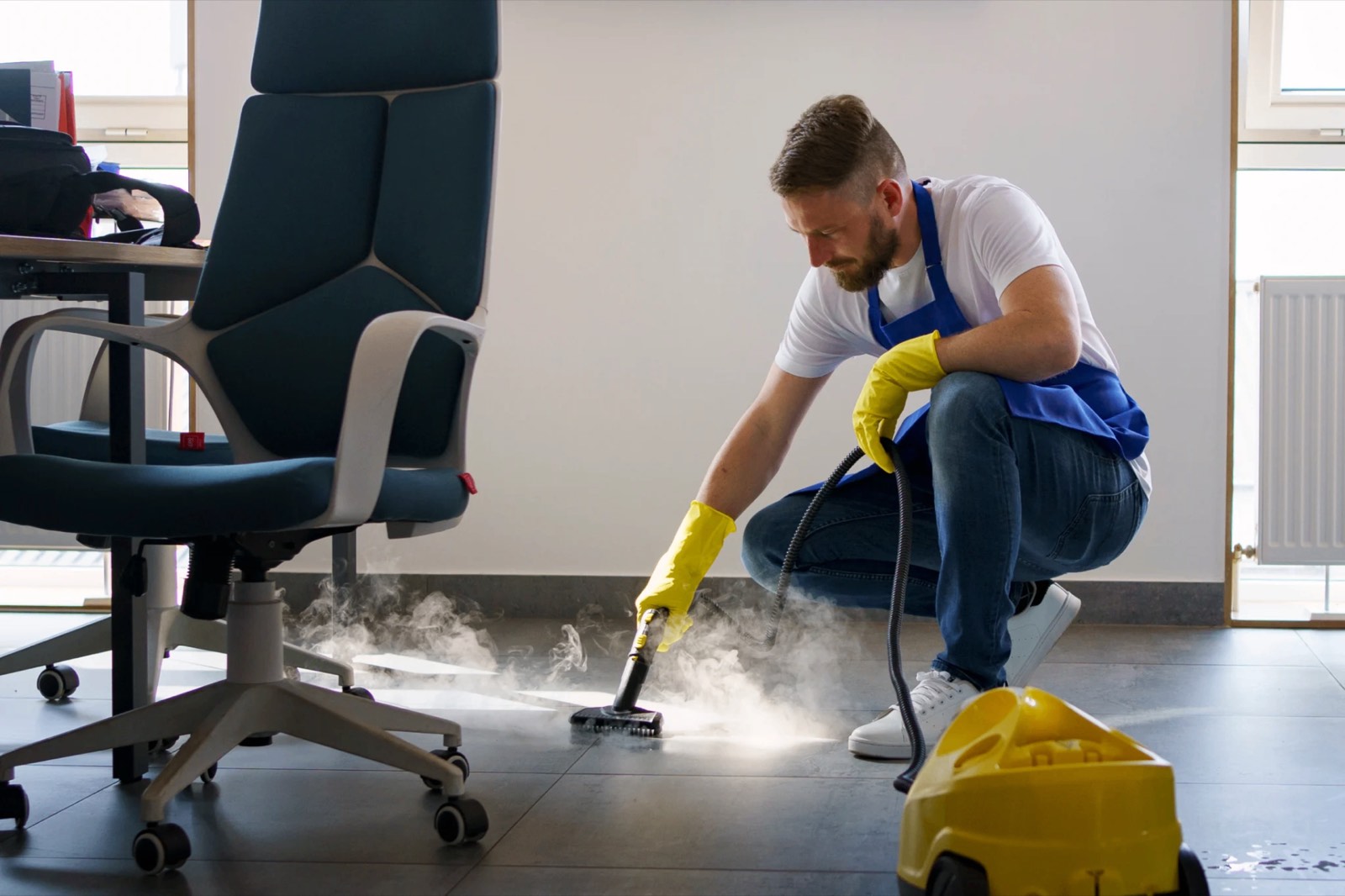
- 3Grease-trapped floors are the most commonly failed item — degrease, do not just mop.
- 4Keep a cleaning schedule and sign-off sheet visible for inspection.
What council inspectors check first
City of Gold Coast environmental health officers work from the Food Standards Code. In practice, inspections concentrate on the same handful of areas.
- Hand-wash basins — accessible, stocked, and not used for anything else
- Food contact surfaces, benches and slicers — sanitised, not just wiped
- Floor and wall junctions, coving and under-equipment areas — no accumulated grease or debris
- Cool room shelving, seals and floors — clean, no spills or mould
- Exhaust canopy, filters and ductwork — free of heavy grease build-up
- Bin area and grease trap — sealed, cleaned and serviced on schedule
| Item | Frequency | Evidence to keep |
|---|---|---|
| Food-contact surfaces | After each service | Daily sign-off sheet |
| Floors & drains | Daily degrease | Cleaning schedule |
| Cool room & shelving | Weekly | Weekly checklist |
| Exhaust canopy & filters | Monthly filters, 6–12 month duct | Contractor certificate |
| Grease trap | Per council schedule | Service docket |
| Pest inspection | Quarterly | Pest report |
The kitchen deep clean cycle
Nightly closing cleans keep you trading; periodic deep cleans keep you compliant and reduce fire risk. A busy Gold Coast kitchen should run canopy filter cleaning weekly, full canopy degrease monthly, and specialist ductwork cleaning every six to twelve months depending on cooking volume.
Deep cleaning behind and under fryers, ranges and cool rooms should be quarterly at minimum. This is where grease accumulates unseen and where inspections and insurance claims come unstuck.
- Grease build-up behind and under cooking equipment
- Filters not cleaned to schedule
- Hand-wash basin blocked or without soap and towel
- Cool room seals and shelving with visible soil
- No documented cleaning schedule on site
Front of house matters too
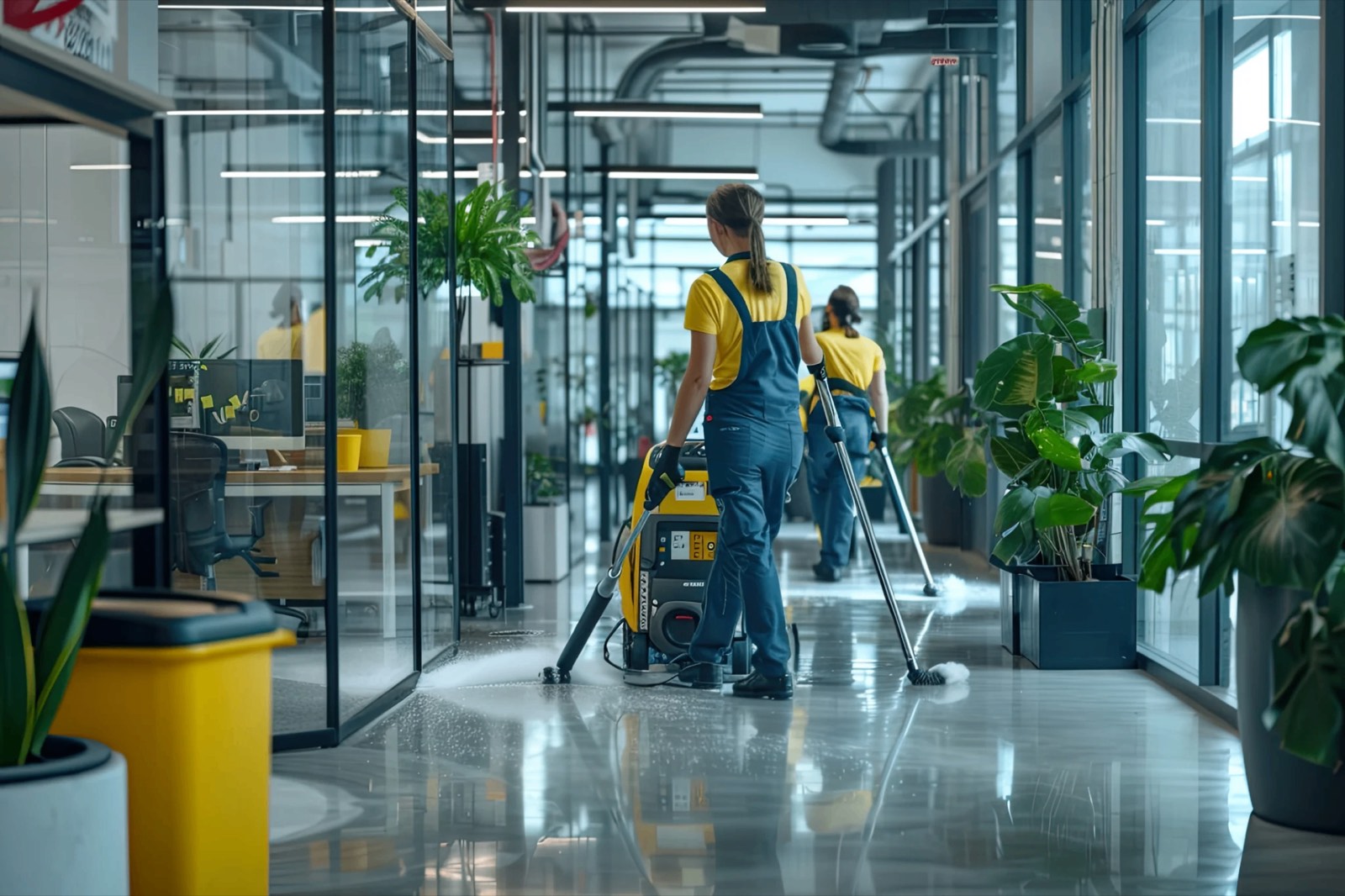
Customer areas are assessed as part of the same premises. Dining floors, upholstered banquettes, glass, outdoor decking and toilets all form part of the impression an inspector and a diner form. Coastal venues with open frontages need entry matting and glass attention daily to manage sand and salt.
Frequently asked questions
How often should restaurant exhaust ducts be cleaned?+
Typically every 6 to 12 months for a standard kitchen and as often as every 3 months for heavy frying or charcoal cooking. Check your insurance policy — many specify a cycle.
Can our own staff handle the closing clean?+
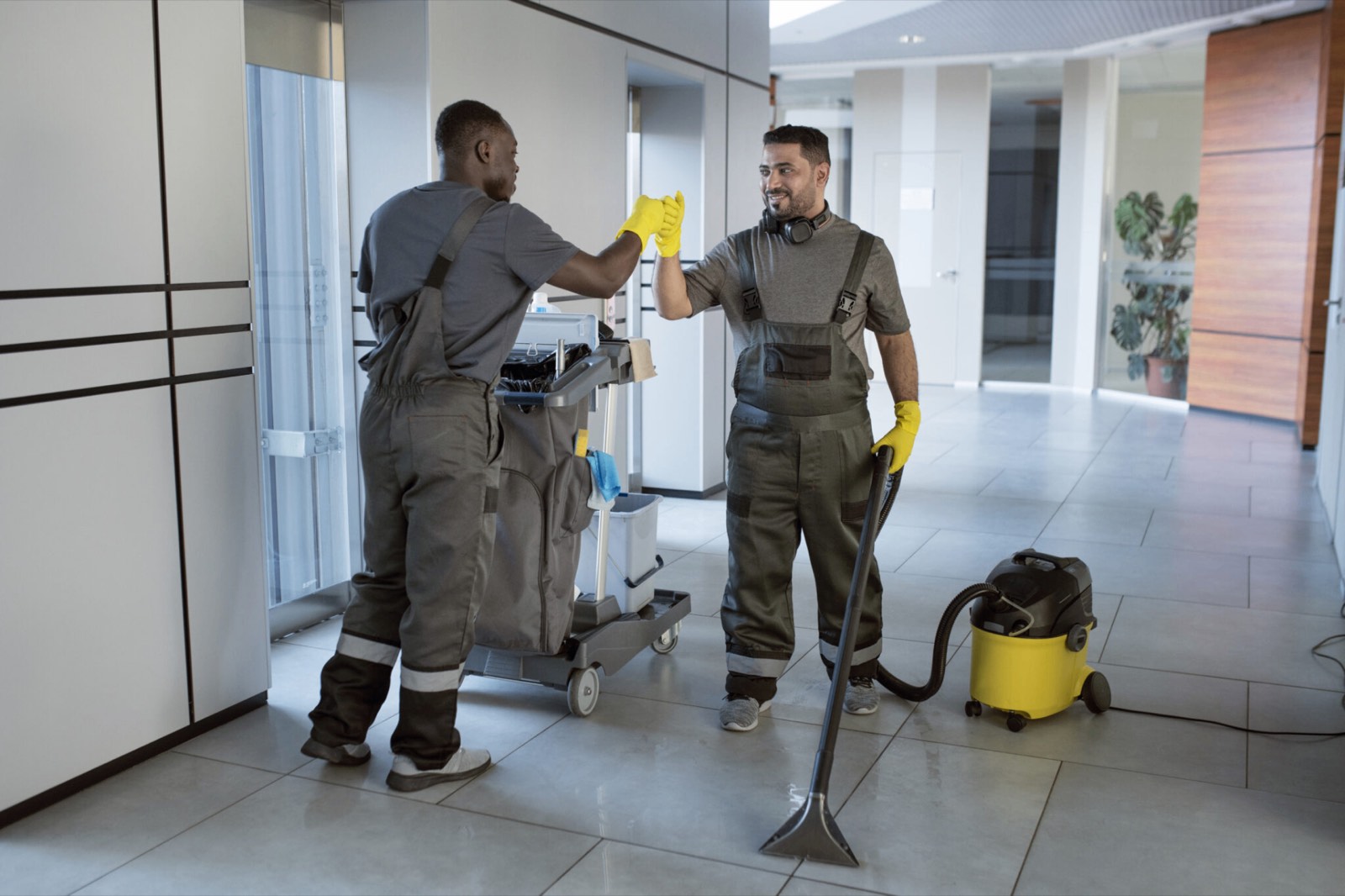
Yes, and most venues do. Bring in a commercial cleaner for periodic degrease, floor restoration and detail work that staff realistically cannot complete after service.