In the first 24 hours: stop the water at its source if it is safe to do so, keep people and power away from wet areas, photograph everything before it moves, call your insurer, and get water extraction and drying equipment on site the same day. The faster the building is dried, the less flooring, plasterboard and stock you will need to replace.
- 1Make the area safe and stop the water at its source before anything else.
- 2Photograph and video everything before items are moved or thrown out.
- 3Call your insurer early and keep receipts for all emergency work.
- 4Get water extracted and drying started the same day to limit what must be replaced.
Hour one: make it safe and stop the source
Water and electricity are the first risk. Keep staff out of affected rooms, and only isolate power at the switchboard if you can reach it without walking through water. If you cannot, wait for a licensed electrician.
Next, stop the water. For a burst pipe or failed hot water system that usually means the main stop valve or the isolation valve for that fixture. For roof leaks during a storm, a tarp or bucket buys time until the roof can be repaired safely.
- Keep people out of wet areas and away from wet power points
- Shut off the water at the main valve or fixture isolation valve
- Move laptops, files and loose stock up off the floor
- Put out wet-floor signs at every entry to the affected area
Hours one to four: record everything for your insurer
Before anything is moved or thrown out, photograph and video every affected room, the source of the water, damaged stock, furniture and equipment. Wide shots first, then close-ups. These records are what your insurer or loss adjuster will rely on.
Call your insurer early and note your claim number. Keep damaged items until the insurer says they can go, unless they are a health risk, and keep receipts for anything you spend on emergency work.
- Keep people out of wet areas and away from wet power points
- Shut off the water at the main or fixture isolation valve
- Lift laptops, files and stock off the floor
- Photograph every affected room before anything moves
- Call your insurer and a restoration crew
Same day: extraction and drying
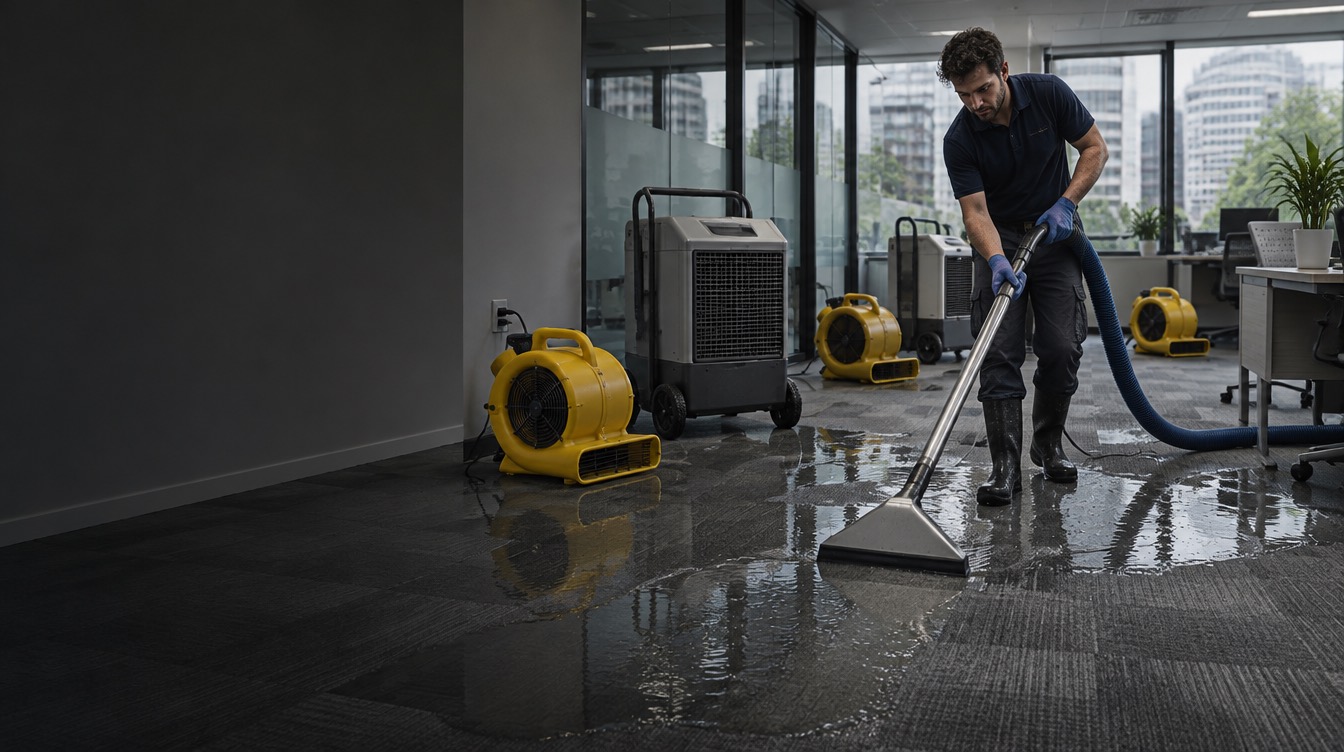
Standing water should be extracted the same day. Water left in carpet, underlay and the bottom of plasterboard wicks upward and spreads under walls, and the longer it sits the more has to be cut out and replaced.
Once the water is out, the building has to be dried properly, not just until it feels dry. Professional crews use air movers and dehumidifiers, and take moisture readings every day until walls, floors and joinery are back to normal levels.
- Water extraction from carpet, hard floors and cavities
- Lifting carpet and removing soaked underlay where needed
- Air movers and dehumidifiers running until readings are normal
- Daily moisture readings recorded for the insurance file
Know what kind of water you are dealing with
Clean water from a supply pipe is the least risky. Water from appliances or overflowing fixtures can carry contaminants, and floodwater or sewage is treated as contaminated: porous materials it touches usually have to be removed, and the area must be sanitised, not just dried.
If the water came from outside during a storm or flood, treat it as contaminated and keep staff out until the area has been cleaned and sanitised.
Days two to five: watch for mould and hand back
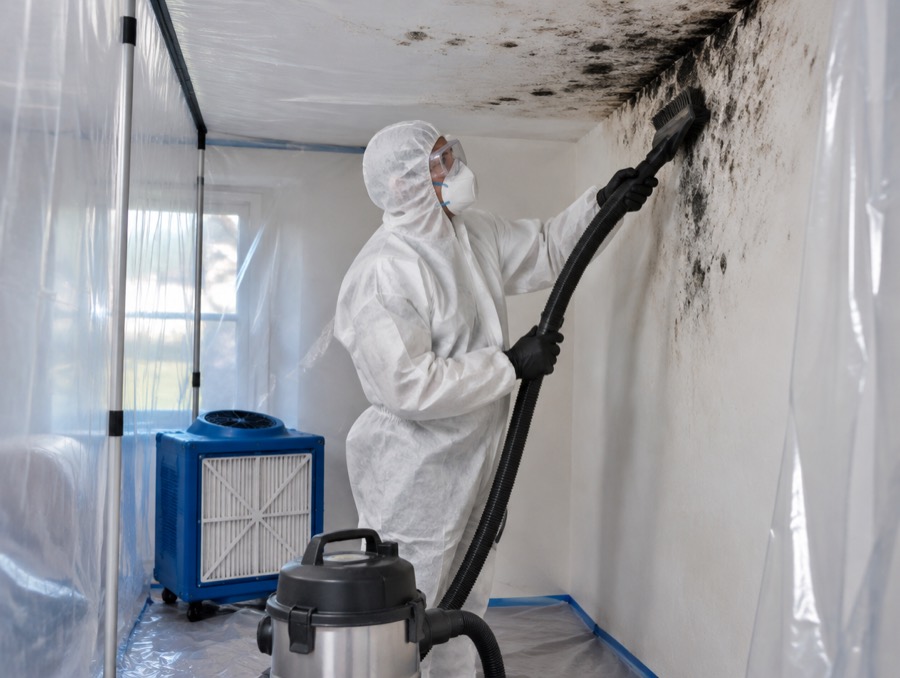
Mould can begin to grow on damp materials within 24 to 48 hours, especially in warm, humid Queensland weather. That is why drying starts the same day and is monitored until the readings are back to normal.
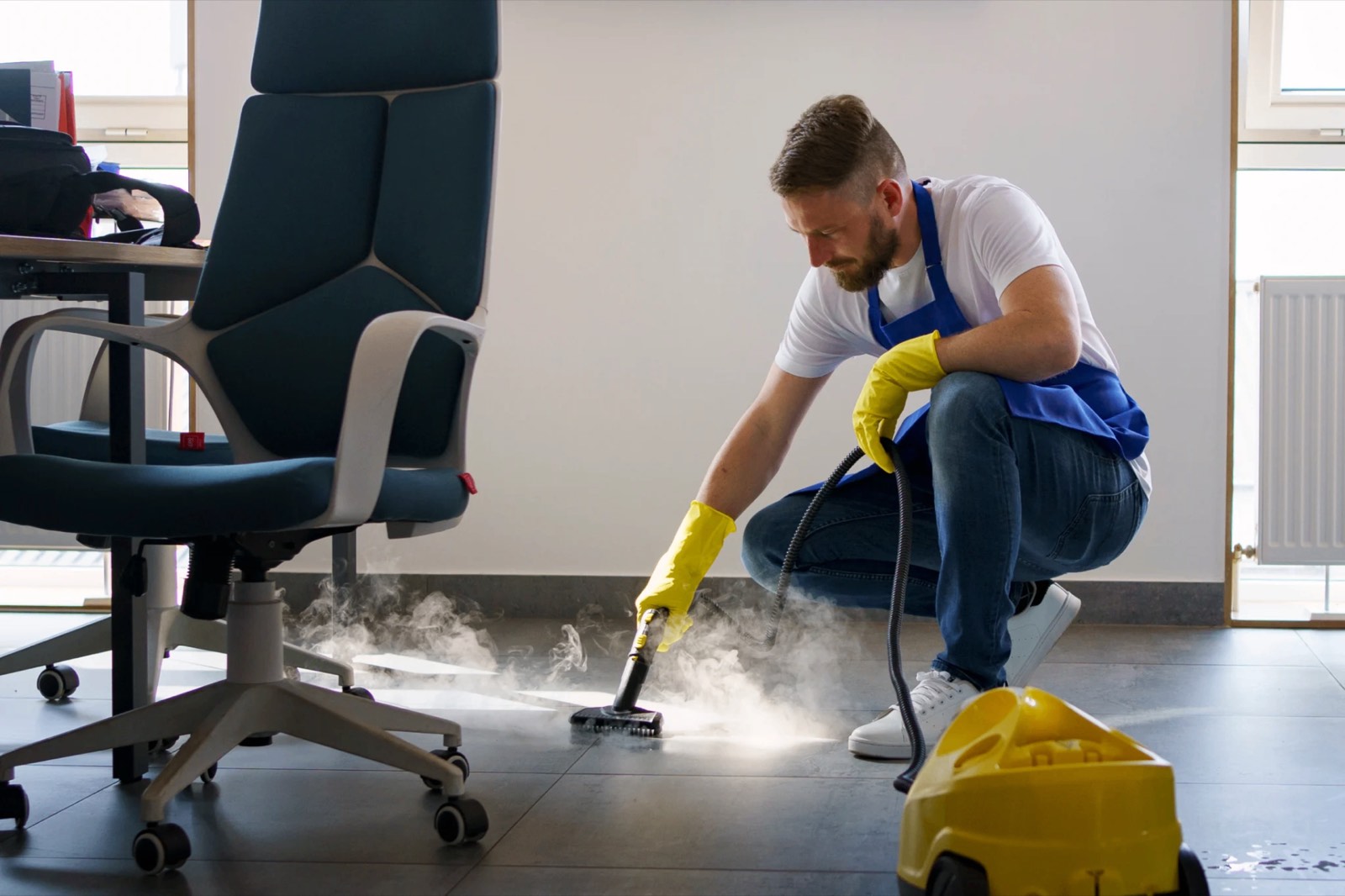
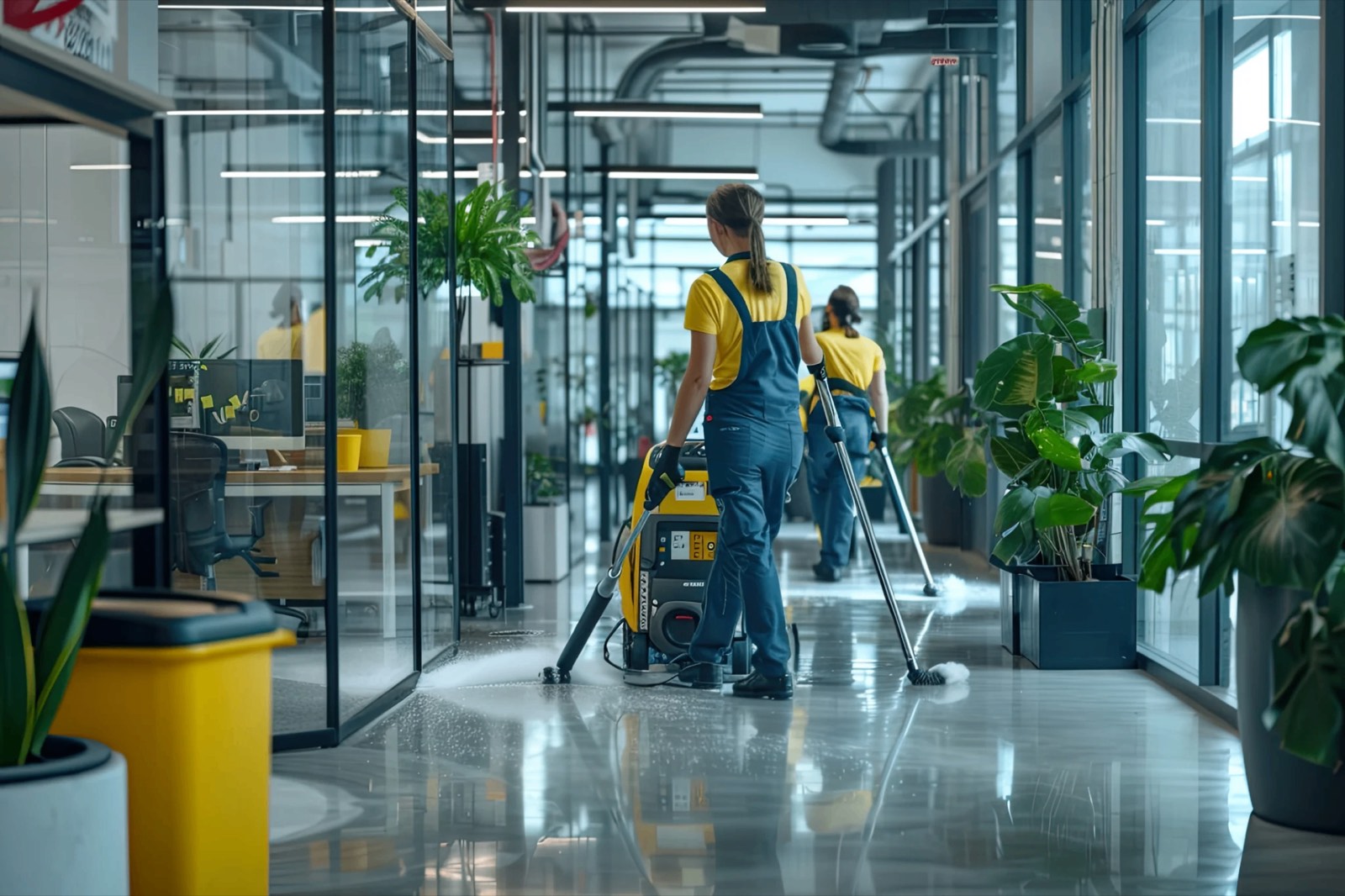
When the building is dry, surfaces are cleaned and deodorised, carpets are cleaned or replaced, and you should receive a written record of the works and readings to close out your insurance claim.
Frequently asked questions
How long does it take to dry a water-damaged office?+
Most commercial drying jobs take three to five days, depending on how much water there was, how long it sat and what the building is made of. Daily moisture readings show when it is genuinely dry.
Can we stay open while the building is drying?+
Often, yes. Affected areas can be sectioned off and equipment placed to keep walkways clear, so unaffected parts of the site keep running.
Does insurance cover commercial water damage?+
It depends on your policy and the cause of the water. Photograph everything, call your insurer early and keep records of all emergency work so the claim can be assessed properly.