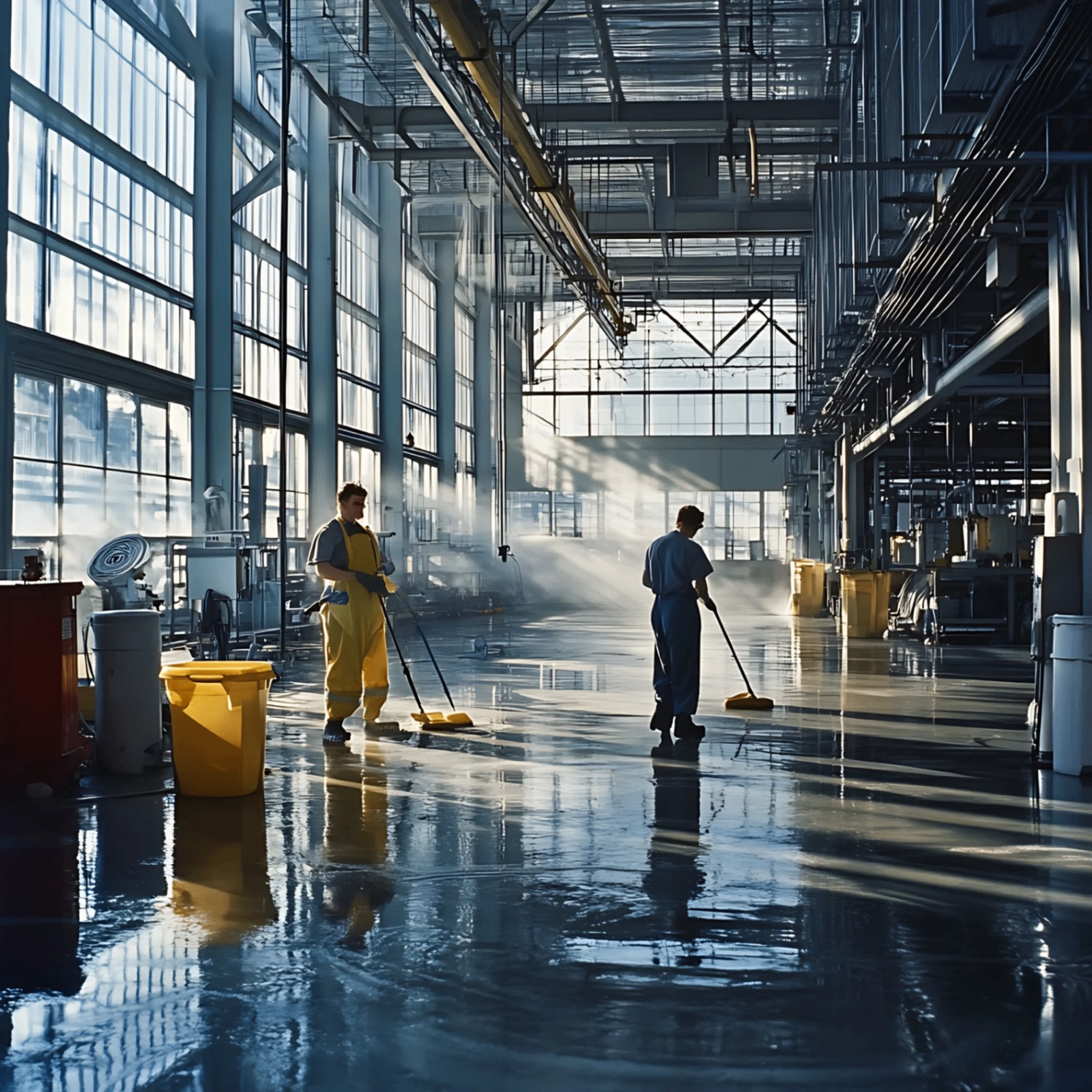
In Brisbane, commercial wash water containing detergents, oil or food waste must not enter the stormwater system. It must be contained, captured and disposed of via sewer under a trade waste approval or removed by a licensed liquid waste contractor.
- 1Wash water must not enter the stormwater system — that is the core Brisbane City Council rule.
- 2Capture, contain and dispose of runoff via sewer or a licensed waste contractor.
- 3Detergents and degreasers in stormwater can attract environmental penalties.
- 4Keep records of containment method and disposal for commercial jobs.
Stormwater versus sewer
Stormwater drains in Brisbane discharge directly to creeks and the river with no treatment. Council and the Department of Environment can issue penalties for discharge of contaminated water, and the fines materially exceed the cost of doing the job correctly.
The practical solution on car parks, loading docks and bin areas is a containment mat or boom with a vacuum recovery unit, then disposal to sewer or by licensed tanker.
| Method | How it works | Best for |
|---|---|---|
| Drain blocking + vacuum recovery | Seal pits, vacuum water for disposal | Car parks, loading docks |
| Berm and pump | Contain with berms, pump to sewer | Large flat areas |
| Dry sweep first | Remove solids before any water use | All exterior jobs |
| Water-only wash to grass | No chemicals, water infiltrates | Low-soil surfaces only |
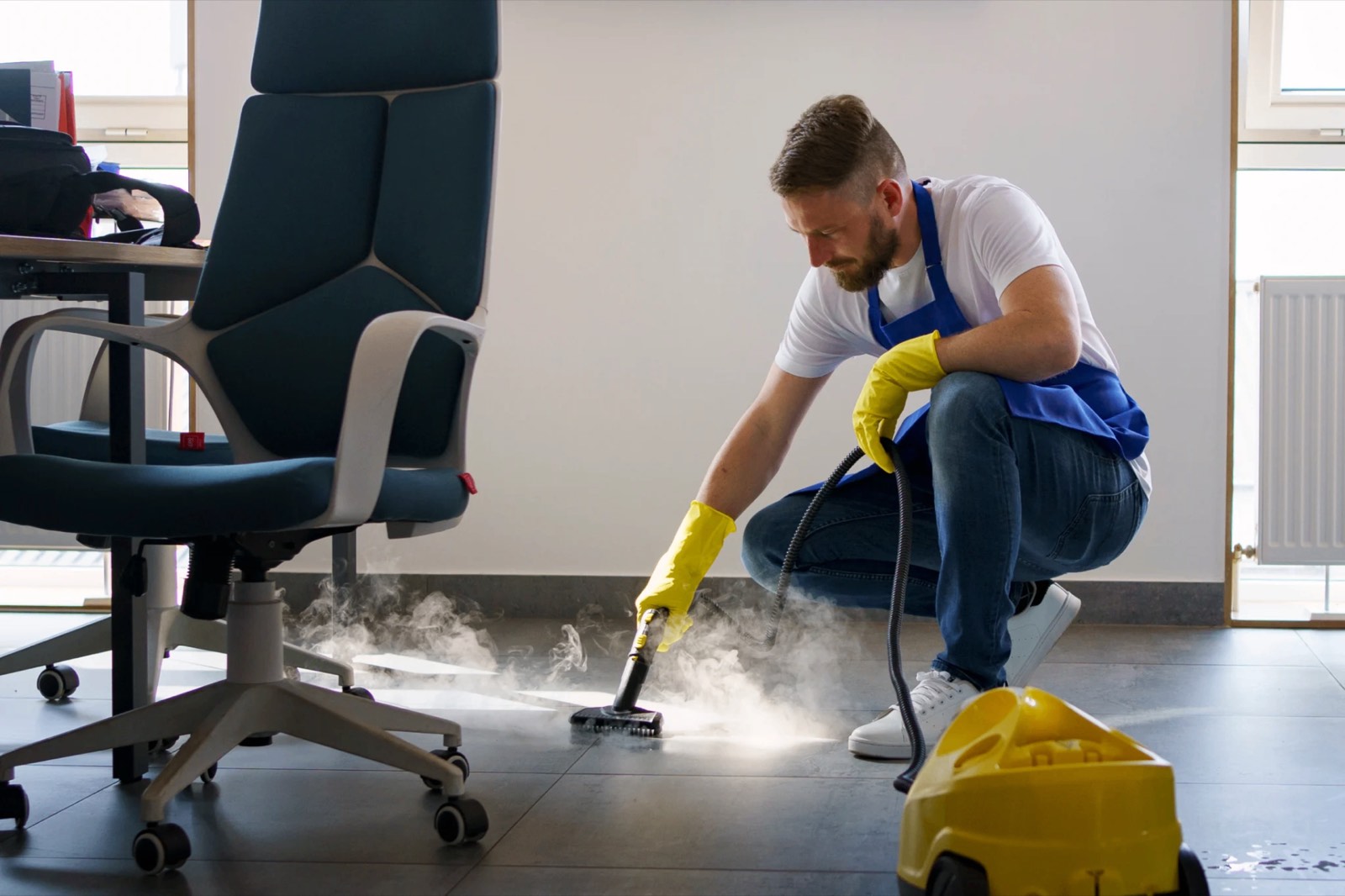
| Steam / low-flow | Minimal water volume | Grease spots, tight areas |
Common commercial pressure washing jobs
Each has a different water management requirement.
- Multi-level car parks — high oil content, always requires recovery
- Loading docks and bin pads — food waste and grease, recovery required
- Building facades and awnings — usually low contaminant, still requires screening of debris
- Concrete paths and entries — low risk, but detergents must still be contained
- Shopping centre walkways — gum removal, containment recommended
- Identify every stormwater pit in the wash zone
- Dry sweep and bag solids first
- Block or bund all drains
- Confirm sewer discharge approval where required
- Use biodegradable detergents and record what was used
- Photograph containment for your compliance file
Doing it without damaging the substrate
Pressure is not the whole answer. Rendered facades, painted surfaces, aged concrete and timber decking are all easily damaged by excessive pressure. Soft washing — low pressure with the right chemistry and dwell time — cleans better and safer on most vertical surfaces.
Confirm your contractor carries public liability specifically covering pressure cleaning, and that they hold a water restriction exemption where applicable during drought conditions.
Frequently asked questions
Do I need council approval to pressure wash my Brisbane car park?+
You do not need an approval to clean, but you must not discharge contaminated water to stormwater. Disposal to sewer requires a trade waste agreement, which your contractor should hold or arrange.
How often should a commercial car park be pressure washed?+
Annually for most sites, six-monthly for high-traffic retail or medical car parks where oil staining and litter build quickly.